I Have an IUD — Why Am I Still Moody, Bloated, and Tired?
- Liz Riesen, RD

- Aug 7
- 5 min read
Many women choose an IUD because it offers effective, convenient birth control and often lighter periods or fewer menstrual symptoms.
For many women, an IUD works well.
But I also hear from women who say things like:
“I’ve had an IUD for years, but I feel exhausted.”
“My anxiety seems worse.”
“I’m struggling with bloating, headaches, acne, or weight gain.”
“I don’t feel like myself, but my labs are normal.”
“Could my hormones still be involved even though I have an IUD?”
If you’ve wondered this, you are not alone. While an IUD does not automatically cause hormone problems, it certainly doesn't "fix" them. So your gut health, nutrition, stress levels, inflammation status, and metabolism still matter—even while using an IUD.
Understanding how these pieces fit together can help you feel better, support your hormones, and care for your body while continuing to use the birth control method that works best for you.

Does an IUD Affect Hormones?
You may already know that there are two main types of IUDs:
Hormonal IUDs (Mirena, Kyleena, Skyla, Liletta) release a form of progestin, a synthetic version of our natural hormone progesterone.
Copper IUDs contain no hormones, but the copper can cause heavier periods and some other risks.
Hormonal IUDs work locally within the uterus, but some synthetic hormone is absorbed into the bloodstream. Research shows that women can continue to ovulate while using a hormonal IUD, though hormone patterns can vary from person to person.
This means that even with an IUD, your body is still producing hormones, responding to stress, regulating blood sugar, supporting detoxification pathways, and relying on adequate nutrients.
Hormones never function in isolation.
Why Might You Feel “Off” Even with an IUD?
Many symptoms women experience are influenced by several interconnected systems:
1. Stress and the Nervous System
Many women today are living in a constant state of low-level stress. Busy schedules, poor sleep, caring for children, work demands, overexercising, under-eating, and mental load affect our body's communication systems.
Many women get told it's "hormones" and they are started on birth control to stop cycles and ovulation. This does take away a communication pathway (HPO, brain-to-ovary) but it doesn't help address any of the other underlying issues, especially our cortisol and inflammation.
Chronic stress and inflammation contribute to symptoms like:
Anxiety
Fatigue
Poor sleep
Headaches
Weight gain
PMS-like symptoms
Digestive issues
Your nervous system is one of the most overlooked foundations of hormone health. That is why I created the 4-week Nervous System Reset
2. Blood Sugar and Metabolic Health
Blood sugar balance affects so many more women than we realize. Large swings in blood sugar and insulin can influence:
Energy
Cravings
Mood
Inflammation
Testosterone levels
Fat storage
Hormonal signaling
This often shows up in my clients with hypoglycemia (drop in blood sugar) from either going too long between meals, not eating the right types of foods, or poor cortisol (stress) response that causes body to have a steep drop in blood sugar after eating.
I evaluate all women for hypoglycemia, but I'm especially aware of how common it can be in women with a history of PCOS, fatigue, irregular cycles, weight gain around midsection, or family history diabetes.
3. Gut Health Matters More Than You Think
Your gut helps regulate everything from inflammation to nutrient absorption, mood and even estrogen metabolism.
Digestive symptoms like bloating, constipation, diarrhea, or food sensitivities may be signs that gut health needs support.
Most of my clients are aware that gut health can improve their symptoms, but there is an overload of information and honestly some damaging and harmful advice on the internet that can further disrupt their microbial balance. It's important to work with a dietitian or provider who can guide you through a gut healing protocol.
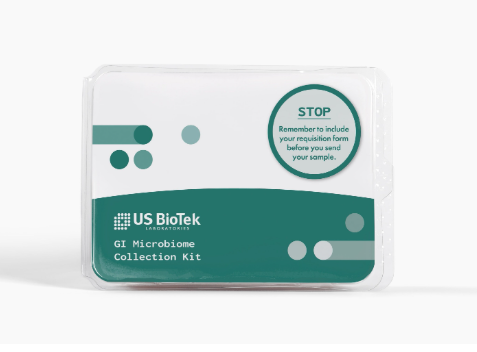
When digestive symptoms have been present for a long time or are severe, I often start with a microbial assay stool test to get a full picture of digestive health, beneficial and harmful bacterial balance, and identify any infection or overgrowth present.
If you want to learn more about gut health testing, visit my page here.
4. Nutrient Depletion Can Play a Role
Research suggests that hormonal contraceptives may influence levels of certain nutrients in some women, including: B vitamins, Magnesium, Zinc, Selenium, and antioxidant status.
These nutrients are involved in:
Energy production
Mood
Thyroid function
Hormone production
Detoxification
Stress resilience
This does not mean women should avoid hormonal birth control, but it does highlight the importance of understanding our body's needs and supporting with diet and tailored supplementation. This is a part of every plan I make for a client. To get in touch and work together, please fill out my short inquiry form here.
How to Support Your Hormones While Using an IUD
You do not have to remove your IUD to prioritize hormone health. Simple foundations can make a meaningful difference. Here is where I suggest starting.
Eat enough protein.
Aim for balanced meals with adequate protein to support blood sugar, muscle health, and hormone production. Most women should aim for 25-30 grams protein per meal. We need enough protein, but balance is still key. Eating too much protein can cause issues, especially if weight loss is a goal of yours.
Increase dietary fiber.
Fiber supports gut health, metabolism, and healthy estrogen clearance. It comes from plant foods and fiber supplements can never replace whole food fiber since our plants have many types of fiber that we cannot replicate in supplements. Aim for at least 25 grams fiber from real food.
Support your nervous system.
Daily walks, breathing exercises, sunlight, prayer, rest, and strength training all help regulate stress pathways. However, adding one activity without addressing an overloaded schedule, negative work or home environment, or dealing with emotional stress -- will keep the body from feeling safe and limit results. For help walking through nervous system regulation and support you can start with my simple 4-week nervous system reset here.
Focus on better sleep.
Sleep is one of the most powerful hormone-supportive habits. Going to bed and waking around the same time each day helps the body's natural hormone production to match your schedule. For some women it is getting to bed earlier, for others it's changing their morning routine, and for others it's getting into deeper, restorative sleep.
A comprehensive hormone panel that shows 24-hour cortisol and melatonin levels along with other markers helps determine what areas we need to address.
Consider testing when symptoms persist.
Sometimes symptoms point toward deeper issues involving inflammation, nutrient deficiencies, gut health, thyroid function, metabolic health, or hormone patterns. Testing can provide answers instead of guesswork.
Reach out to me if you'd like to discuss testing options based on symptoms and goals that you have. In some cases we will start with hormone or gut health testing, but a deeper look a the body's metabolic processes through organic acids panel may be needed, or identifying chemical or toxin load may be the first step. To get in touch and share your symptoms, please fill out my short inquiry form here.
The Bottom Line
Having an IUD does not mean your hormones no longer matter. Your body is still communicating through energy, mood, digestion, sleep, skin, and metabolism.
Whether you choose an IUD, another form of birth control, or no birth control at all, supporting your nervous system, nutrition, gut health, and metabolism can help you feel your best.
You deserve to understand your body, not ignore the signals it is sending.
Knowledge is empowering—and small, consistent steps can make a bigger difference than many women realize.

Liz Riesen, RD, CD
Registered dietitian and hormone health coach helping women to address hormone imbalances, increase energy, and lose weight naturally. As a busy mom, I know that you need a clear and realistic approach you can fit into a busy lifestyle. I developed my Foundations of Hormone Balance Method to do just this! Helping women feel confident and comfortable in their body and with food is my passion.
Follow me @LizRiesen

Comments