The Gut-Hormone Connection: How Bloating, PMS, and Brain Fog Are Tied Together


Bloating. Constipation. Stubborn weight. PMS. Brain fog. Fatigue...
If you're experiencing any of these symptoms, you may have been told they are simply part of getting older, stress, or just "your hormones."
But as a dietitian, one of the first things I talk to my clients about is how their gut is connected.
Your digestive system does much more than digest your food. Your gut microbiome, which is made of trillions of microorganisms living in your digestive tract—interacts with your immune system, metabolism, nervous system, and hormones.
And as hormones change, particularly during perimenopause and menopause, the relationship between your gut and hormones becomes even more important.
Your Gut-Hormone Connection
Hormones don't work in isolation, actually nothing in your body does.
All systems in your body are intricately connected and since your digestive tract is a major entryway into your body -- it becomes a major connection to symptoms, especially hormonal.
For one example: research has continued to show the strong relationship between estrogen levels and gut microbiome. In other words:
Your hormones can influence your gut—and your gut can influence hormones balance.
There's been so much research in regards to estrogen and the microbiome, that the name "estrobolome" refers to the collection of gut bacteria and bacterial genes involved in estrogen metabolism.
After estrogen is processed by the liver, it moves into the digestive tract. Our gut bacteria can influence what happens to estrogen during this process, including whether some estrogen metabolites are reactivated and absorbed back into the body (no thanks!), or estrogen is properly eliminated through BMs.
This does not mean that one specific gut bacteria or stool-test result determines whether you have "estrogen dominance." The relationship is much more complex than that, but it does tell us something important: Gut health deserves a place in the hormone-health conversation.
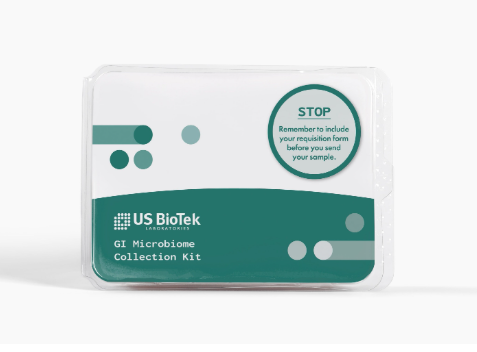
Microbiome stool testing is a tool I utilize often in my practice to identify and address gut imbalances, infections, and overall digestive health. Explore Gut Health Testing
What does gut health have to do with the symptoms you're experiencing?
Whether you found this article because you're struggling with bloating, or because you know hormonal imbalance is contributing to symptoms - this connection is important to understand because symptoms overlap OFTEN.
1. Bloating and abdominal discomfort
Bloating isn't necessarily a sign that you're eating "the wrong foods."
Your symptoms can be influenced by how your body digests and absorbs food, how quickly food moves through your digestive tract, the types and amounts of bacteria in your gut, fermentation, inflammation, and your gut-brain connection.
This is one reason why simply removing more and more foods isn't the answer. For example, maybe a low-FODMAP diet significantly improved symptoms for you. But low-FODMAP was never meant to be a long-term diet because it removes many of the prebiotic fibers our beneficial gut bacteria need to thrive. Low-FODMAP is meant to be a tool to minimize symptoms while we get to the root problem.
If you've gotten to the point where you're afraid to eat certain fruits, vegetables, beans, whole grains, or other nutritious foods because you're worried about bloating, it's worth asking a bigger question: Why are these foods causing symptoms in the first place? This is where a comprehensive stool test is extremely helpful in getting us answers and a clear path toward healing.
2. Constipation
Constipation becomes particularly common as women get older, and it can become more noticeable during the perimenopause and menopause transition. Why? Most women are told it's hormonal changes, but that's not usually the sole reason. There can be changes in gut motility, diet, hydration, activity, stress, medications, and the microbiome.
Regular bowel movements matter. Your digestive tract is one of the primary ways your body eliminates waste, including compounds that have already been processed for elimination by the liver. If you're chronically constipated, that's a signal worth paying attention to—not something you should simply accept as "normal."
Soluble fiber, adequate fluid intake, movement, and individualized dietary changes can be helpful for constipation and IBS symptoms. But if you've already tried increasing fiber, drinking more water, taking magnesium, or changing your diet without getting consistent results, it's time to look deeper. You can fill out my inquiry form here to get in touch.
3. Stubborn weight gain
This is one of the most frustrating symptoms for women in their 30s and 40s.
You may be eating well.
You're exercising.
You're trying to prioritize protein.
You're cutting back on sugar.
And yet your body doesn't seem to respond the way it used to.
Hormonal changes during perimenopause can certainly affect body composition, appetite, insulin sensitivity, and where fat is stored. But gut health is also connected to metabolic health, inflammation, nutrient metabolism, and the gut-brain axis.
This doesn't mean that an imbalanced microbiome is the reason you're gaining weight—or that "fixing your gut" will automatically cause weight loss.
It means that if you're struggling with stubborn weight along with digestive symptoms, your gut is one piece of the larger picture worth investigating. You can explore gut health testing here.
4. PMS, changing periods + perimenopause symptoms
Your gut doesn't control your hormones, but it does interact with them.
During perimenopause, estrogen and progesterone can fluctuate significantly before eventually declining. At the same time, emerging research suggests that menopause is associated with changes in the composition and function of the gut microbiome.
That may help explain why some women notice that their digestion changes around the same time they begin experiencing:
More bloating
Constipation
Changes in bowel movements
PMS changes
Heavier or irregular periods
Brain fog
Sleep changes
Mood changes
Increased inflammation
Changes in weight or body composition
Again, this isn't about blaming the gut for every hormone symptom.
It's about recognizing that your gut and hormones are part of the same interconnected system.
5. Stress and your gut
There's another important connection that is easy to overlook: Your gut and your nervous system are constantly communicating. This is often called the gut-brain axis.
The American College of Gastroenterology describes IBS as a disorder of gut-brain interaction. Stress, sleep, exercise, and other lifestyle factors can influence GI symptoms.
This matters because many women I work with are living in a constant state of "go."
They're working.
They're parenting.
They're managing a household.
They're exercising.
They're trying to eat perfectly.
They're taking care of everyone else.
And their body never really gets a chance to slow down.
You can eat the healthiest diet in the world, but if your nervous system is constantly signaling stress, digestion may still suffer. That's why gut health isn't just about food.
It's also about how you eat, how you digest, how you move, how you sleep, and how your body experiences stress. My 4-week Nervous System Reset can help identify barriers and help calm your nervous system response. You can learn more and reset here.
So...should you just take a probiotic?
Not necessarily. This is where I see women get stuck.
They feel bloated → buy a probiotic.
Still bloated → remove gluten.
Still bloated → remove dairy.
Still bloated → go low-FODMAP.
Still bloated → add digestive enzymes.
Still bloated → take more supplements.
Eventually, their diet becomes smaller and smaller while they still don't know why they're having symptoms. This is exactly why I believe in a test-don't-guess approach when it's appropriate.
Even the American College of Gastroenterology notes that evidence for probiotics in IBS is inconsistent, which is one reason probiotics aren't routinely recommended as a universal treatment for IBS. The right intervention depends on what's actually happening in your gut.
What can a comprehensive GI stool test tell you?
A comprehensive stool analysis can give us information that we simply can't get from symptoms alone. Depending on the test, stool testing may evaluate things such as:
Beneficial or "keystone" bacterial species
Opportunistic bacteria
Pathogenic bacteria
Parasites
Yeast and fungal organisms
H. pylori
Markers related to inflammation
Digestive function
Short-chain fatty acids
Other markers of intestinal health
The GI panel I use through US BioTek evaluates 127+ markers, including microbiome composition, opportunistic organisms, parasites, yeast/fungal markers, digestive health, inflammation, and short-chain fatty acids.
But here's the part I think is most important: I don't want you to receive a 20-page lab report and be left wondering what any of it means. Testing is only useful if it changes what we do next.
This is why I put together a package that includes the comprehensive stool panel along with a consultation for us to review results and create a personalized plan for you.
You don't need to keep guessing. You can get more information about what's happening in your gut—and finally have a plan for what to do about it.
One final reminder
Your gut is part of a much bigger picture that includes:
Nutrition + gut health + hormones + blood sugar + inflammation + stress + sleep + lifestyle
That's why my approach isn't about chasing one symptom or focusing on hormones or gut health alone. It's about understanding you as a whole person and creating a plan that fits your body and your life.
If you're tired of feeling bloated, constipated, uncomfortable, or frustrated by stubborn weight despite doing "all the right things," it may be time to stop guessing and start getting answers. Your symptoms are common. But that doesn't mean you have to accept them as your normal.
If you'd like to connect and talk through symptoms you're experiencing, please fill out my short inquiry form here and I'll be in touch!

Liz Riesen, RD, CD
Registered dietitian and hormone health coach helping women to address hormone imbalances, increase energy, and lose weight naturally. As a busy mom, I know that you need a clear and realistic approach you can fit into a busy lifestyle. I developed my Foundations of Hormone Balance Method to do just this! Helping women feel confident and comfortable in their body and with food is my passion.
Follow me @LizRiesen

Comments